
Vinegar Made the Slow Way
Great vinegar begins long before it becomes vinegar. It begins in the orchard, with the fruit itself.
At Pome, we make vinegar using the traditional Orléans method, a centuries old process built around time, oxygen, living cultures, and patience. Instead of forcing vinegar through a rapid industrial process, we allow cider to transform slowly and naturally, developing flavor and character along the way.
From orchard to bottle, every step is intentionally simple.
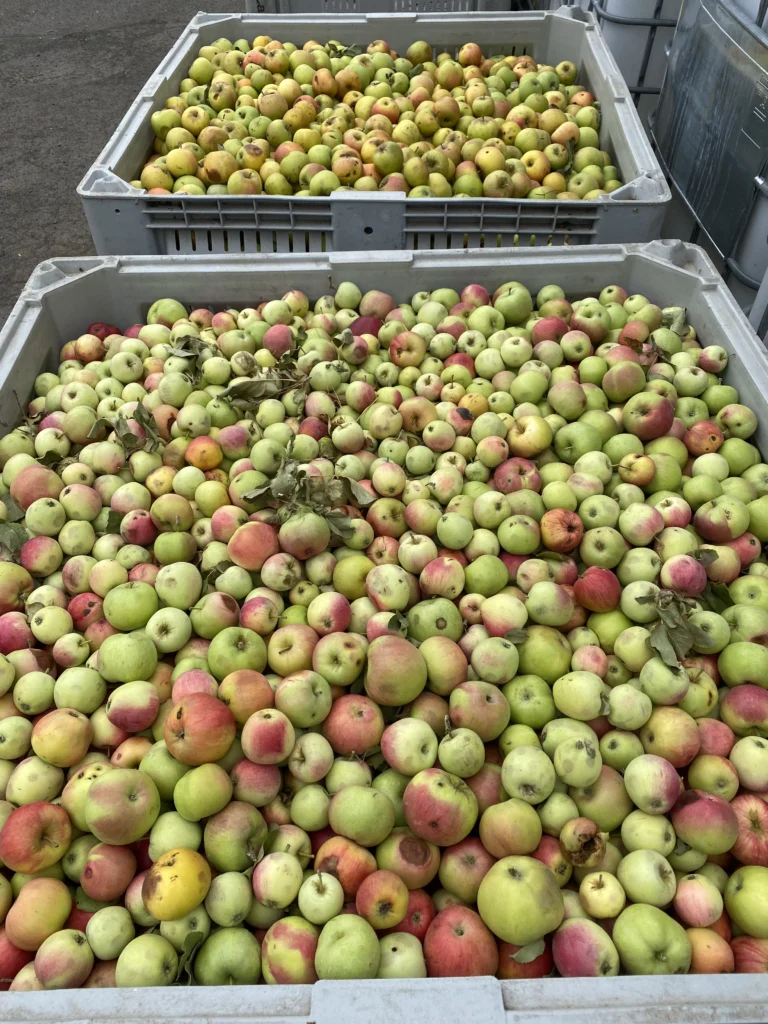
Step 1: Start With Better Apples
The character of a vinegar begins with the apples that go into it. We seek out flavorful apples, including traditional cider varieties and heirloom varieties selected for qualities that modern dessert apples were never bred to provide.
Bittersweet and bittersharp cider apples bring tannin, structure, acidity, aroma, and complexity to the finished vinegar. Rather than treating apples simply as a source of sugar, we treat them as the foundation of the flavor.
Step 2: Press the Fruit
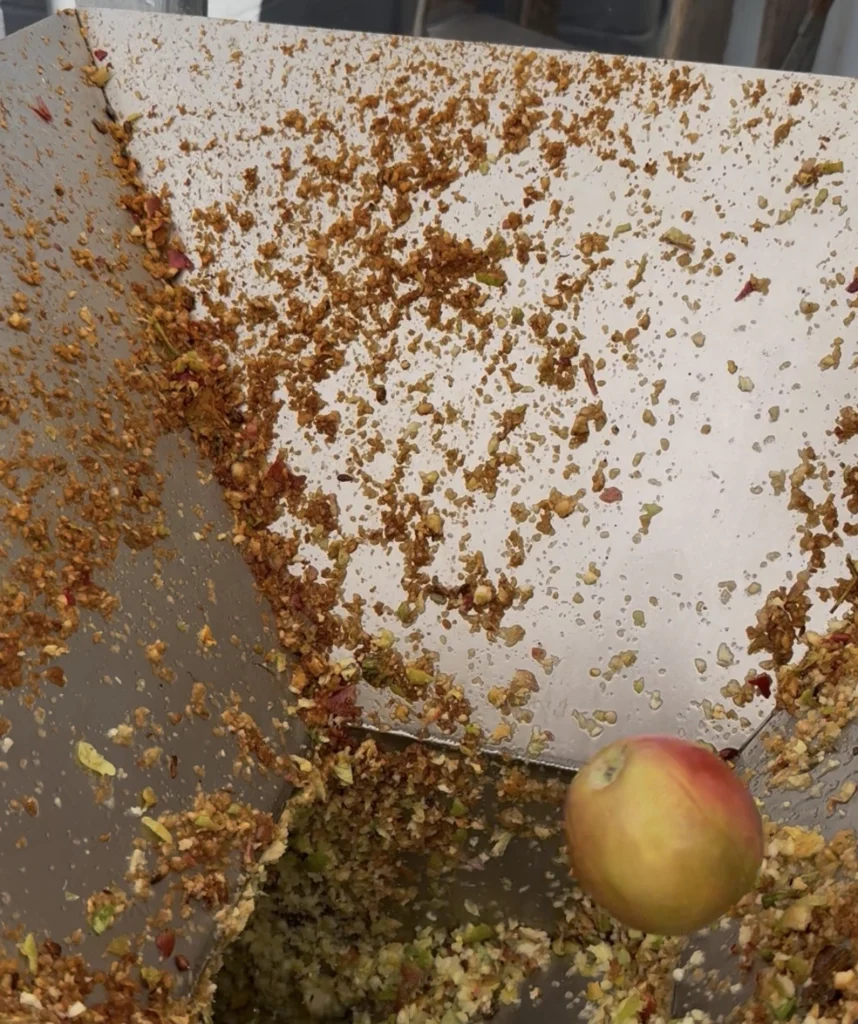
The apples are milled and pressed, separating the fresh juice from the skins, seeds, and pulp.
This is the same beginning as traditional cider making. The juice carries the sugars, acids, tannins, aromas, and other compounds from the fruit that will follow it through fermentation and into the finished vinegar.
Step 3: Ferment the Juice Into Cider
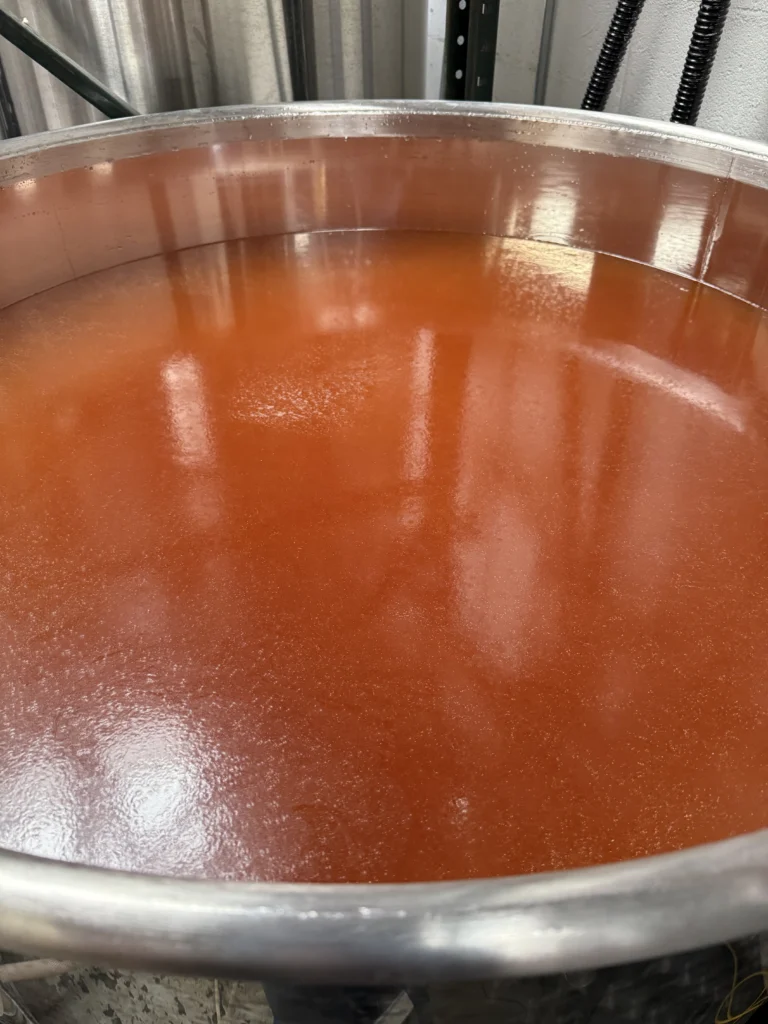
Before apple juice can become vinegar, it first becomes cider.
Our vinegars are made using native yeast fermentation. The yeast ferment the natural sugars in the apple juice into alcohol, creating a dry cider. This first fermentation establishes the base upon which the vinegar will develop.
We do not skip this step by starting with diluted alcohol or vinegar concentrate. Our apple cider vinegar begins with actual apples and actual cider.
Step 4: Let the Orléans Method Take Over
This is where cider becomes vinegar.
In the traditional Orléans method, the transformation happens slowly at the surface of the cider. Acetic acid bacteria use oxygen from the air to convert the alcohol in the cider into acetic acid.
Rather than aggressively aerating the cider in a high speed industrial acetifier, we give the living culture the environment and time it needs to work naturally.
A living layer known as the mother can develop at the surface, where cider, bacteria, and oxygen meet.
Slow is not a limitation of our process. It is the point.
Step 5: Give It Time in the Barrel
Once vinegar fermentation is underway, time becomes another ingredient.
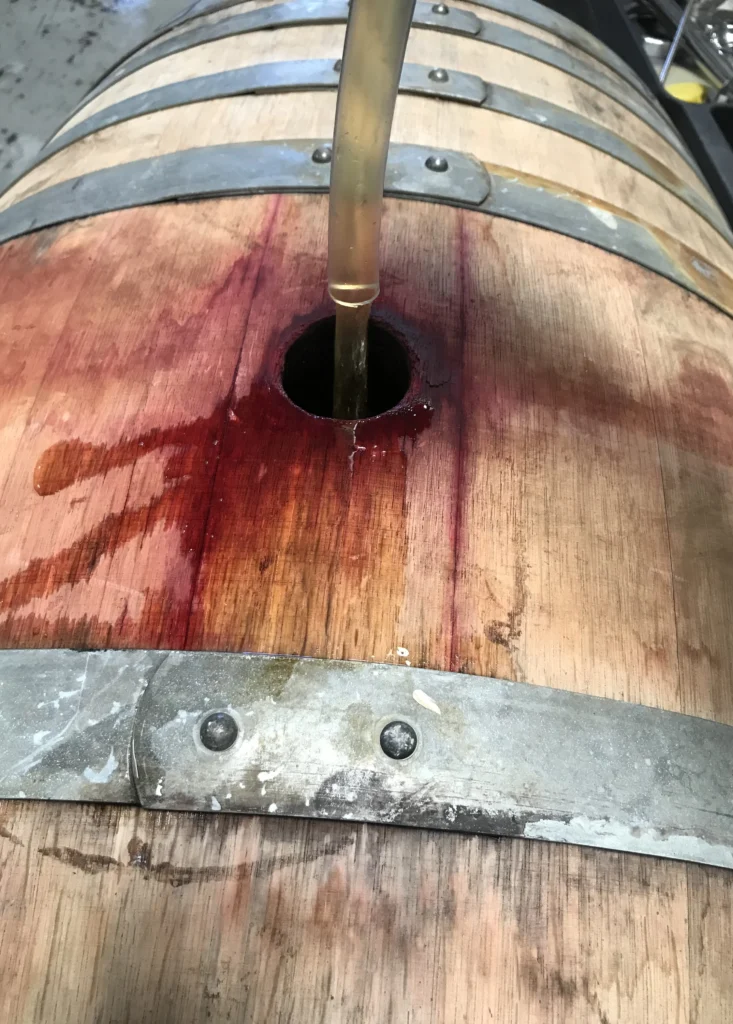
Our vinegars are allowed to mature rather than being rushed immediately into a bottle. Wood, oxygen, fruit, acidity, and time gradually become integrated, creating a vinegar with greater depth and a softer, more complex character.
For select vinegars, we use oak barrels with their own history, including barrels previously used to age Oregon Pinot Noir.
There is no shortcut that creates what years can create.
Step 6: Bottle It As Vinegar Should Be
When the vinegar is ready, we keep it remarkably close to what came from the barrel.
Pome vinegar is made to be raw, undiluted, and unfiltered, preserving the character created through fruit, fermentation, and time.
What goes into the bottle is not designed to taste identical from batch to batch in the way an industrial ingredient might. It is an agricultural product, shaped by apples, microbes, barrels, seasons, and age.
That variation is part of what makes traditionally made vinegar worth making.
From Apples to Cider. From Cider to Vinegar.
Modern vinegar can be made very quickly.
We choose a different path.
The Orléans method asks for more time, more space, and more patience. In return, it allows us to make vinegar as a fermented food rather than simply a source of acidity.
Real fruit. Two fermentations. Living cultures. Time.
That is how we make Pome.
More on the living side of the process is on The Cellar, and more on the fruit itself is on Heritage Apples.