
A Living Fermentation
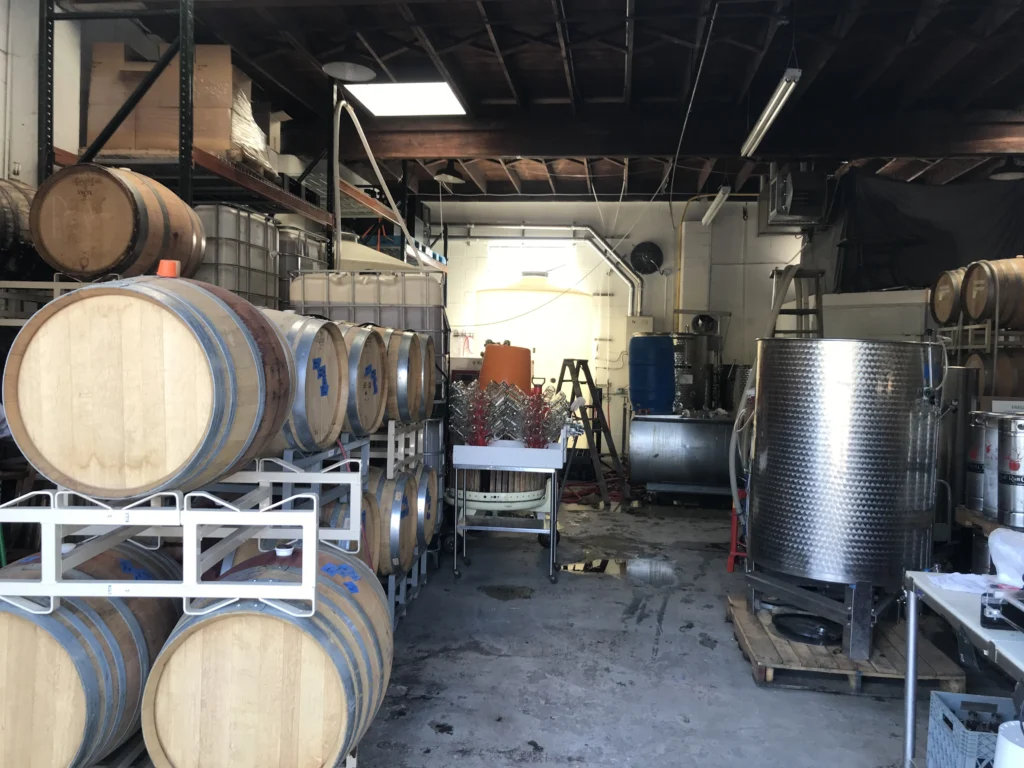
The cellar is where apples become something entirely different.
After pressing, fresh apple juice begins a series of natural transformations driven by microorganisms already present on the fruit, in the cellar, and within the fermentation environment. First, yeasts ferment the sugars in the juice into cider. Then acetic acid bacteria transform that cider into vinegar.
At Pome, we allow those fermentations to unfold slowly, using native yeast, oxygen, time, stainless steel, and oak.
It is less like running a manufacturing process and more like tending an ecosystem.
It Starts With Native Yeast
We do not rely on a single yeast strain to define every fermentation.
Our cider begins with a native yeast fermentation, allowing naturally occurring yeasts to take part in the fermentation of apple juice into cider.
A native fermentation is not necessarily one yeast carrying the fermentation from beginning to end. It is a succession.
Different yeasts thrive under different conditions. As the juice changes, so does the microbial community doing the work.
That progression is part of what makes native fermentation so interesting.
A Succession of Yeasts
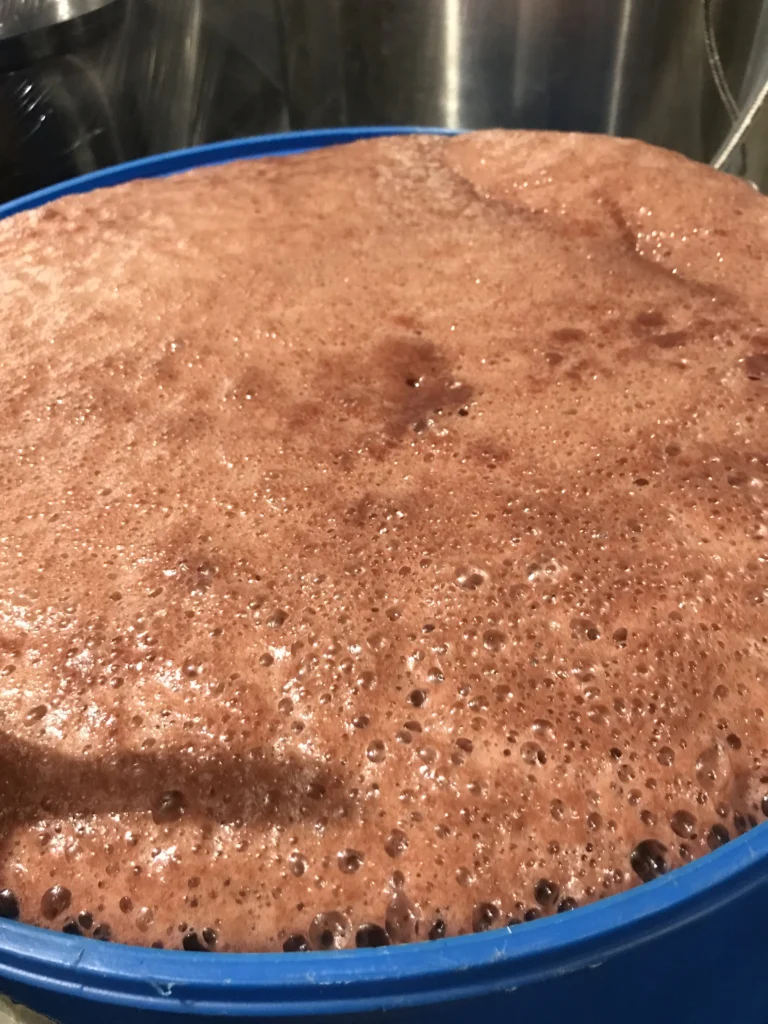
At the beginning of fermentation, fresh apple juice is rich in sugar and contains very little alcohol.
That environment favors certain native yeast species. They begin consuming sugar and producing alcohol, carbon dioxide, and countless compounds that contribute to the developing aroma and character of the cider.
But fermentation changes its own environment.
As alcohol accumulates, some of the yeasts that were active at the beginning can no longer tolerate the conditions they helped create. Their populations decline.
Other yeasts, better adapted to a fermentation already containing alcohol, become more active and continue the process.
As the fermentation progresses, the succession continues until the remaining fermentable sugars have largely been consumed and the juice has become dry cider.
The population that starts the fermentation does not necessarily finish it.
One Fermentation Becomes Another
When alcoholic fermentation is complete, we have cider.
But for Pome, that is only the halfway point.
Vinegar requires a second biological transformation.
Instead of yeast, the next stage depends on acetic acid bacteria, including bacteria of the genus Acetobacter.
These bacteria behave very differently from yeast.
Yeast performs alcoholic fermentation with little or no oxygen required. Acetic acid bacteria, by contrast, are aerobic. They need oxygen.
Given access to air, they oxidize the ethanol created during cider fermentation and convert it into acetic acid.
That is acetification.
Where Cider Meets Air
The surface of the vinegar is especially important because this is where the liquid has access to oxygen.
As acetification develops, a visible layer can form across that surface.
This is commonly called the mother of vinegar.
The mother is a living biofilm associated with the acetic acid bacteria performing the conversion. It may begin as a thin, almost translucent layer and gradually become thicker as the culture develops.
It is one of the clearest visual reminders that vinegar is being made by living organisms.
The Mother Rises. And Sometimes Falls.
A healthy mother can spread across much of the exposed surface of the vinegar.
Over time it may become remarkably thick.
Eventually, its own weight, movement of the liquid, or disturbance of the vessel can cause the mother to break apart or sink beneath the surface.
That does not mean the fermentation has stopped.
With the old mother below the liquid, another can begin developing at the surface where oxygen is available.
During a long vinegar fermentation, layers of previous mothers can accumulate beneath the surface while new ones form above them.
It is a process that can repeat again and again.
Stainless Steel and Oak
There is no single vessel in the Pome cellar.
We use both stainless steel tanks and wooden barrels during fermentation, acetification, and aging, choosing the vessel according to the vinegar we are making and the stage of its development.
Stainless steel gives us a clean, neutral environment that lets the character of the apples and fermentation remain at the center.
Oak barrels offer something different. They allow vinegar to mature in contact with wood while slowly developing additional complexity over time.
Some Pome vinegars move through more than one kind of vessel during their journey from fresh juice to finished vinegar.
The vessel is not simply a container.
It becomes part of the process.
Fermentation Cannot Be Rushed
Native yeast fermentation does not follow a perfectly identical script from one batch to the next.
Neither does acetification.
Temperature changes. Fruit changes. Microbial populations change. Mothers grow at different rates. Barrels mature differently.
Our job in the cellar is to create the right conditions, observe what is happening, and give each transformation enough time to finish properly.
That is fundamentally different from designing a process around how quickly vinegar can move through a production line.
We would rather follow the fermentation.
Apples. Yeast. Bacteria. Oxygen. Time.
The process sounds simple when reduced to its essentials.
Yeast turns apple sugar into alcohol.
Acetic acid bacteria use oxygen to turn that alcohol into acetic acid.
But inside those two transformations is an extraordinarily complex living process involving successive populations of microorganisms, changing chemistry, surface cultures, different vessels, and time.
That is what happens in our cellar.
Not simply acidification.
Fermentation.
From Orchard to Cellar to Bottle
Every bottle of Pome is the result of two living transformations.
First, native yeasts turn apples into cider.
Then acetic acid bacteria turn cider into vinegar.
We give both the conditions they need and the time to do their work.
That is the cellar. The steps that lead into it are on Our Method.